
FCL · LCL
Sea freight
Full containers or consolidated space, port-to-port or with coordinated door delivery.
Best when volume is sizable and the ready date has room to breathe.

Turkey → MENA · commercial cargo
Plan commercial cargo across sea, air, and road—then share a structured brief with the people handling your next move.
One family of corridors, planned in depth instead of everywhere at once.
Sea, air and road weighed against your cargo, timing and destination.
Plain lists of what the supplier and importer prepare before cargo moves.
Handoffs followed by people who can explain them, step by step.
Services
Choose by cargo profile and timing, not habit. Each service is planned with partner carriers and brokers along the corridor.
FCL · LCL
Full containers or consolidated space, port-to-port or with coordinated door delivery.
Best when volume is sizable and the ready date has room to breathe.
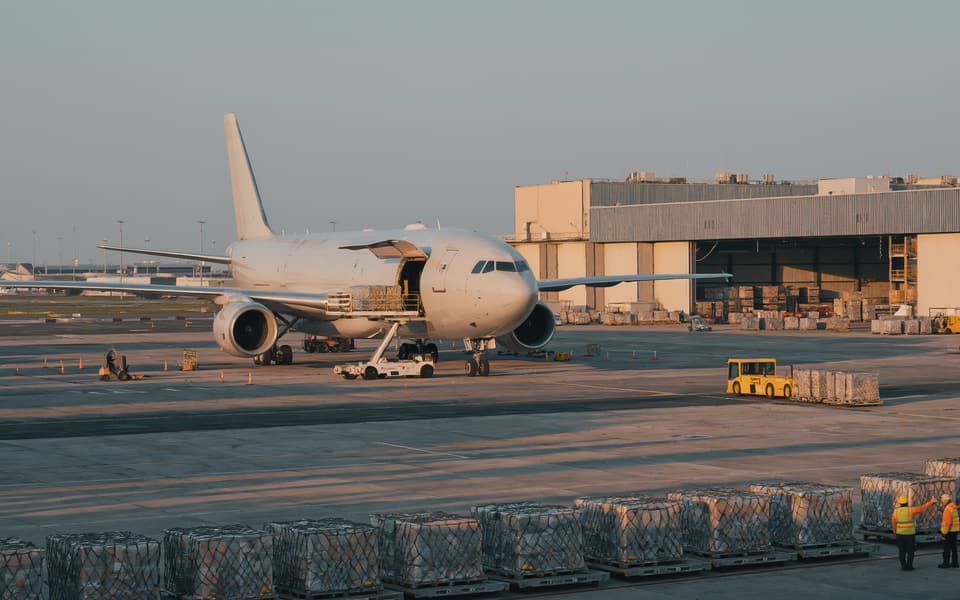
Airport to airport
Time-sensitive commercial cargo with Istanbul Airport as the export gateway.
Best when cargo is compact, valuable, or tied to a launch date.

FTL · part load
Overland movements toward Iraq, Jordan and Riyadh where the corridor allows.
Best when the destination is reachable overland and cargo is palletised.
Around the move
The coordination layer that keeps suppliers, documents and delivery in step.
Best when several suppliers, a first shipment, or unclear paperwork are involved.
Sample trade corridors
Planning starts from two Turkish gateways and a focused set of MENA destinations. The map illustrates sample corridors; it is not a live network or a tracking view.
How a shipment moves
Most delays start at a handoff nobody owned. The plan names each one before cargo leaves the supplier.
Stage 1
Route, cargo profile, ready date, and what your supplier has already prepared.
Stage 2
Mode, delivery scope, and the documents each handoff will ask for.
Stage 3
Pickup, export paperwork, and main carriage lined up with partner carriers.
Stage 4
Destination paperwork and final-mile coordination, with your customs broker in the loop.
Shipment planner
Four short steps: route, cargo, service, then an indicative USD range with its assumptions in plain view. Share the brief on WhatsApp or by email when it looks right.
Budget literacy
A planning range moves for reasons you can see. These matter most before any carrier is booked.
Open a WhatsApp draft with your route in mind, or send the details by email. Both open in your own apps; nothing is sent from this site.
Demo channels — not monitored.